
Invisalign Clear Aligners Wilmington
Invisible, Flexible, & More Comfortable Orthodontic Treatment
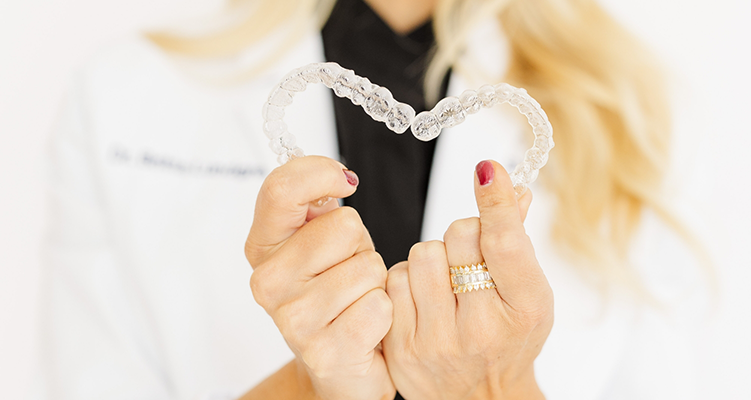
Wearing braces no longer means settling for metal brackets and wires that forcibly shift teeth over time. Instead of spending 2-3 years waiting to see noticeable results, Invisalign clear aligners in Wilmington offer an invisible, flexible, and more comfortable form of orthodontic treatment. With the help of Dr. Lundgren and our team at Cosmetic Coast Dental Spa, we can realign smiles so that patients can enjoy better oral health and a more beautiful, eye-catching aesthetic. Call us today to schedule an appointment.
Why Choose Cosmetic Coast Dental Spa for Invisalign Clear Aligners?
- Flexible Financing Through CareCredit to Lower Expenses
- Modern, High-Class Dental Practice with Personal Touch
- Caring & Friendly Dental Team That Puts Patients First
How Invisalign Works
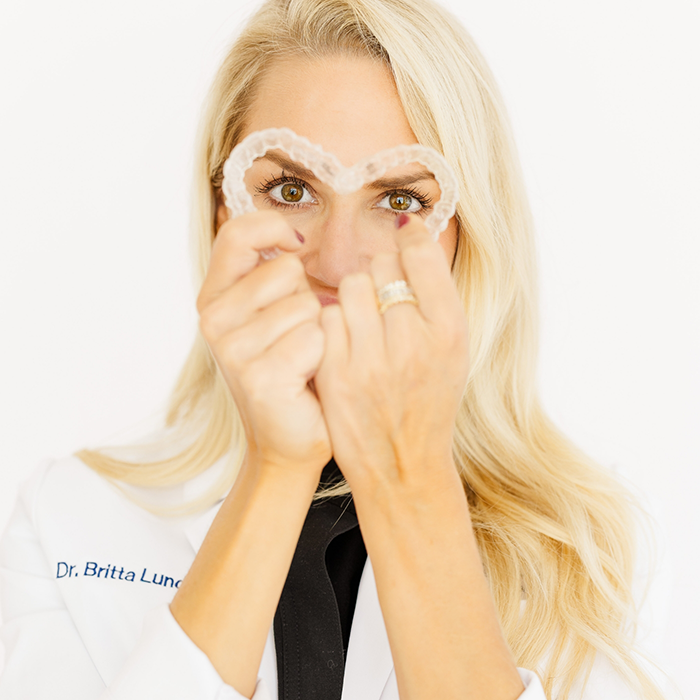
Invisalign clear aligners are simple and easy to use. Customized for each patient, these virtually invisible trays are crafted to shift teeth using gentle, continuous pressure. Depending on the needs of a patient, teeth can be moved closer together to close gaps, moved apart to create necessary space, or even repositioned to ensure greater bite mobility.
Patients must wear trays for 20-22 hours each day. After 1-2 weeks of wear, the aligners are then swapped out for the next set until the series is complete. On average, Invisalign can produce results in 12-18 months; however, this will vary from patient to patient.
Who Can Invisalign Help?

Invisalign is a versatile orthodontic method that can address a wide range of mild to moderate alignment issues so patients can enjoy healthier and more beautiful smiles. Here’s a quick overview of the problems Invisalign can fix, but please contact the team at Cosmetic Coast Dental Spa if you would like to know more.
Crowded Teeth
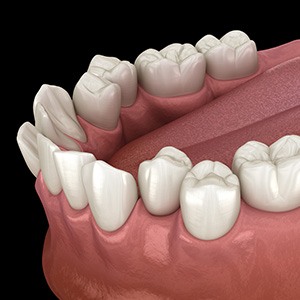
Many people’s teeth become more crowded with age. Teeth that overlap or are too close together are harder to clean, which can leave someone susceptible to a host of oral health issues like:
- Tooth decay
- Gum disease
- Jaw pain
- Difficulty eating
Invisalign can straighten out crowded teeth, which can make them easier to clean and safer from injury.
Gaps Between Teeth
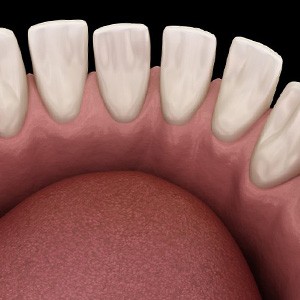
Large spaces between the teeth can happen due to the way the jawbones developed, especially small teeth, or childhood habits like tongue-thrusting or thumb-sucking. Closing these gaps with Invisalign can protect the gums from injury and prevent accumulations of food debris, which can reduce the risk of oral inflammation, infection, and injuries.
Overbite
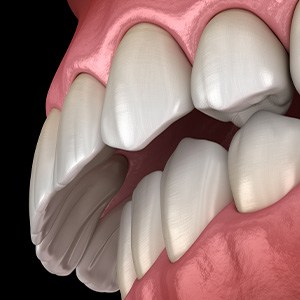
An overbite is when the top teeth are positioned too far ahead of the bottom ones, which can lead to speech difficulties, uneven enamel wear, jaw pain, or problems opening or closing the mouth. An overbite can also leave the top teeth more exposed to injury since it leaves them in a prominent position that isn’t well protected.
Underbite
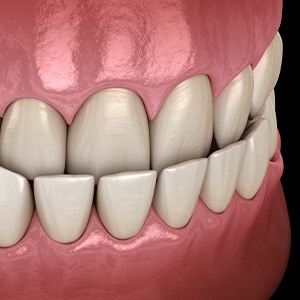
An underbite refers to when the bottom teeth are positioned in front of the top teeth when the mouth is closed, which can happen due to oral injuries, hereditary conditions, tumors, or prolonged thumb-sucking during childhood. This issue can increase a person’s risk of sleep apnea and make it difficult for them to speak and chew. While it’s usually easier to correct an underbite in a younger patient, it’s still necessary to address the issue in older ones. Treating an underbite with Invisalign usually requires the use of rubber bands or other attachments to gradually shift the bite into a healthier alignment.
Crossbite
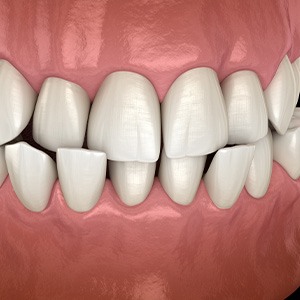
A crossbite happens when the bottom teeth are slightly in front of the upper ones, and it is usually due to genetic conditions, poor oral habits, or premature loss of baby teeth. While Invisalign aligners can fix this issue, doing so may require the use of elastics or other accessories to help realign the jaw. An unaddressed crossbite can lead to long-term problems like gum disease, tooth decay, jaw pain, speech issues, headaches, teeth grinding, facial asymmetry, and diminished confidence.
Open Bite
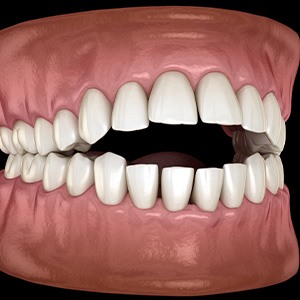
An open bite is when the top and bottom teeth do not touch or overlap when the mouth is closed, and it is usually caused by poor bone development or prolonged thumb-sucking during childhood. This issue can make it difficult to speak clearly and puts excessive strain on the back teeth during the chewing process, which increases their risk of infection. Invisalign can draw the top and bottom teeth closer together, which can enhance the beauty of the smile and prevent infections and injuries.
Benefits of Invisalign
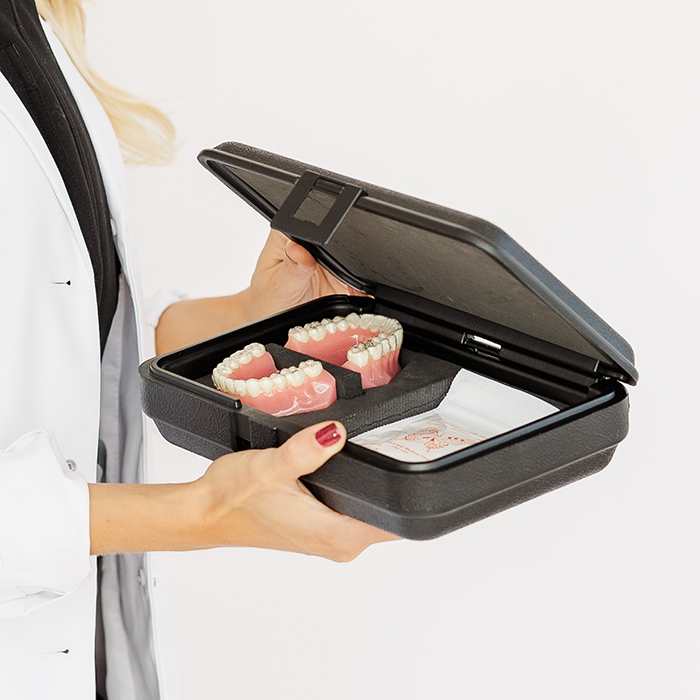
To date, more than 17 million patients have straightened their teeth with Invisalign. While you might assume the biggest draw is the fact that the aligners are basically invisible, there is so much more to this innovative orthodontic treatment. Below, you’ll find a few other noteworthy reasons this smile-enhancing service is so widely loved!
There Aren’t Any Dietary Restrictions

While traditional braces come with a long list of dietary restrictions, Invisalign does not! There’s a simple reason for this: the aligners are removable. As a result, there isn’t the same risk of an orthodontic emergency.
With all of that said, we do recommend sticking to mostly healthy, well-balanced meals to prevent tooth decay from developing. It’s also a good idea to exercise caution with crunchy foods that could break an attachment.
Taking Care of Your Smile Is Easy

Another considerable benefit of Invisalign is that you don’t need to buy expensive dental hygiene products or adopt a cumbersome routine. Instead, remove your aligners, place them in their designated case, and brush your teeth as usual! Then, before you put your trays back on, use a damp, soft-bristled toothbrush and clear, mild dishwashing liquid to remove plaque, food particles, and other debris from the surface.
The Average Treatment Timeline Is Shorter
Traditional braces usually deliver the desired results in 2-3 years, but what if you want your dream smile sooner? If that’s the case, we have good news: the average treatment timeline with Invisalign is much shorter (around 12-18 months). If you are interested in getting a more precise estimate, then schedule a consultation with us so we can confirm that you’re a good candidate and get to work creating your custom treatment plan.
There Are Fewer Follow-Up Appointments

With Invisalign, you progress through portions of your treatment at home, so there’s no need for monthly adjustment appointments! Instead, you’ll come to our office every 6-8 weeks so we can monitor the movement of your teeth and make sure you’re on track. So, if you are a busy student, parent, or professional, don’t worry – clear aligner treatment is quite flexible and convenient!
The Aligners Are Metal-Free

Of course, one of the biggest perks of metal-free braces is how discreet they are. But that isn’t the only one. Since there aren’t bulky brackets and wires, the teeth-straightening process is also considerably more comfortable. In fact, the aligners are custom-made to fit the contours of your teeth perfectly, dramatically decreasing the chances of you experiencing soft tissue irritation or mouth sores.
Living with Invisalign Aligners

Since Invisalign is one of the most popular orthodontic treatments, there’s a good chance that you already know quite a bit about it. But do you know what day-to-day life looks like with clear aligners? If you don’t, don’t worry – this next section covers everything you need to know, including what to do if you accidentally lose yours.
Wearing Your Trays

Naturally, your aligners will only work if you wear them consistently. That’s why patients are asked to keep theirs on for a minimum of 20 hours a day. When you first get yours, we recommend using the stopwatch on your phone as a guide. Once you find a routine that works for you, meeting the daily wear time will become second nature.
Cleaning Your Aligners
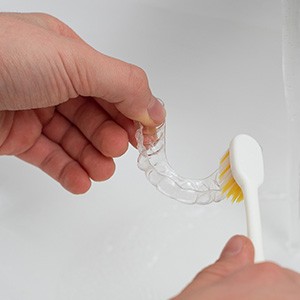
When you take your aligners out of their packaging, they will be pristine. To keep them that way, it’s crucial that you incorporate healthy habits into your routine, starting with rinsing them with water each time you take them off. You should also use a soft-bristle toothbrush and mild dishwashing liquid to remove saliva and other debris from the surface before putting them back on.
Eating & Drinking

One of the many reasons that patients love Invisalign is that they don’t come with the same dietary restrictions that traditional braces do. In fact, there’s really only one rule: you need to remove your aligners before eating or drinking anything other than water. Instead of placing them on your plate or wrapping them in a napkin, put them in their designated case so they don’t get lost or broken.
Losing or Damaging a Tray

Losing or damaging a tray can lead to significant treatment plan delays and additional fees. That’s why it’s so important to take good care of yours! With that said, accidents sometimes happen. The best thing to do is call our Wilmington dental office. That way, our cosmetic dentist can take a look at where you are in your teeth-straightening journey and determine if it’s safe to move on to the next set of aligners in the series a bit early.
Attending Progress Visits
Another crucial part of living with Invisalign is attending the progress visits. These typically happen every 6-8 weeks, and they allow Dr. Britta Lundgren to monitor the movement of your teeth. If you’re on track with your treatment plan, then she can provide you with the next several sets of aligners in the series. If that’s not the case, then she can determine why that is as well as what adjustments need to be made to your treatment plan.